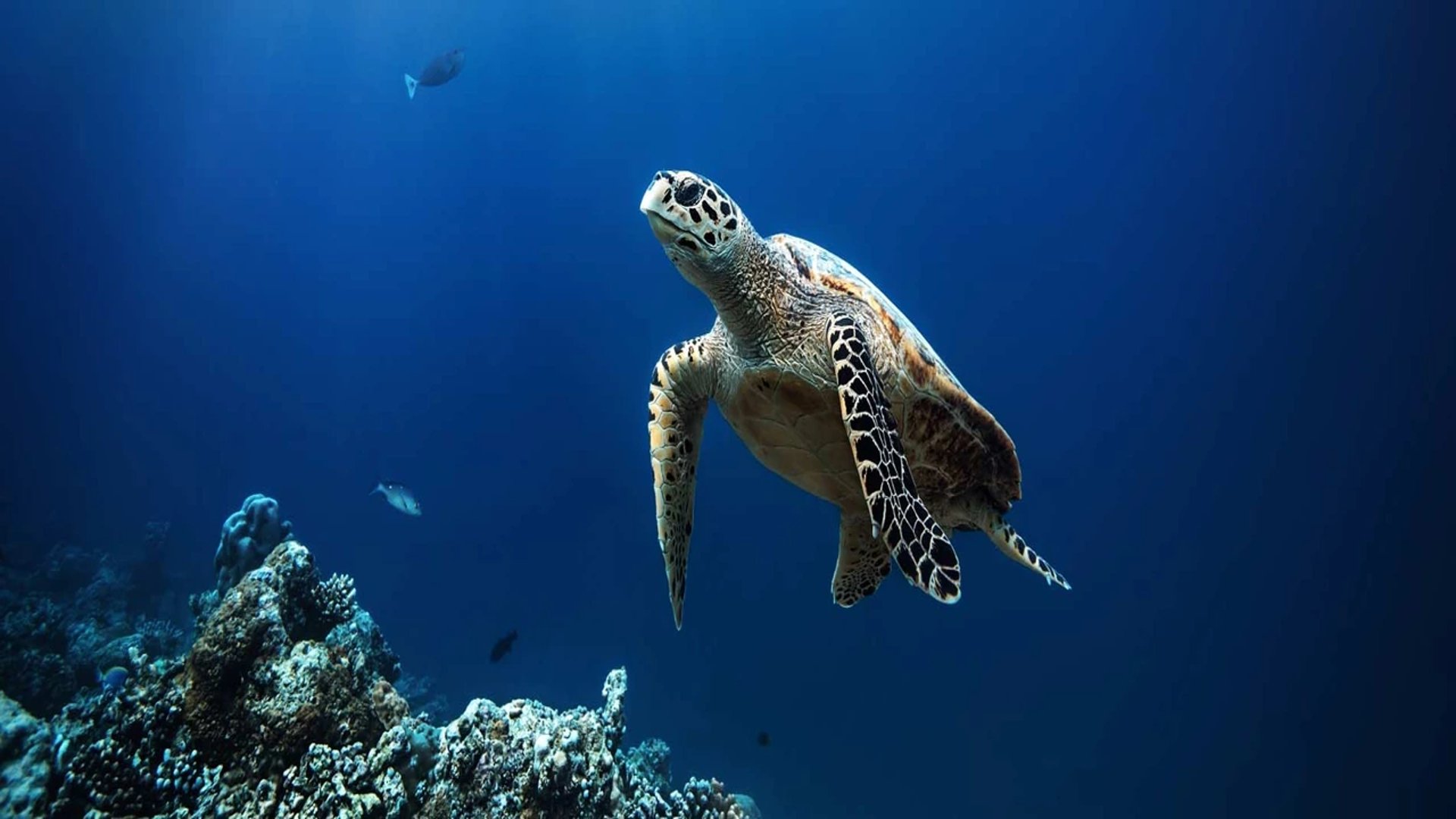
Premium PADI Scuba Diving in Koh Tao
Escape the crowds. Master Divers offers small-group PADI courses (max 4 divers), private beachfront speedboat departures, and premium equipment. Don't just learn to dive... MASTER it!
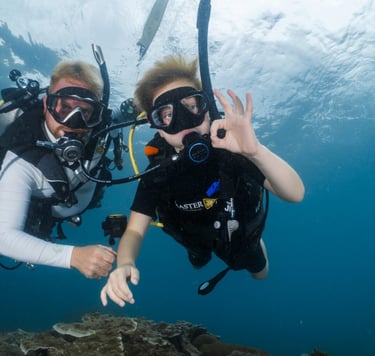
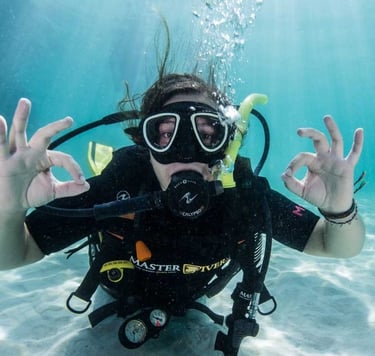
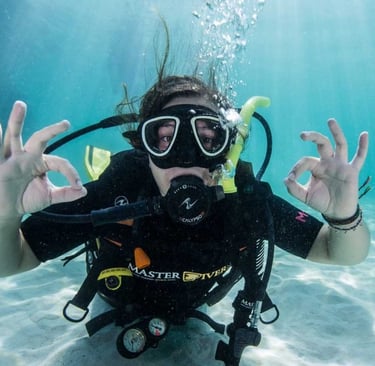
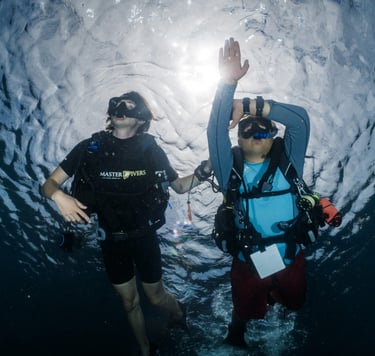
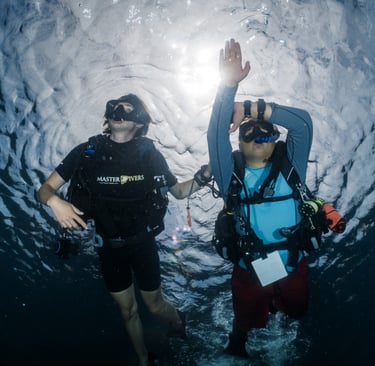
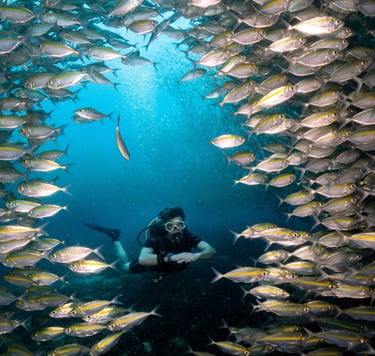
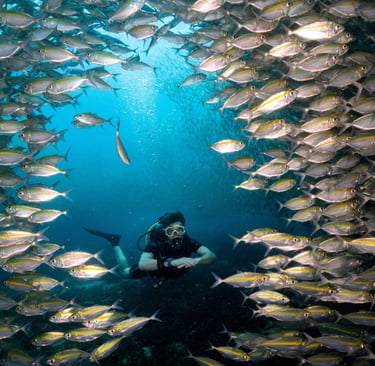
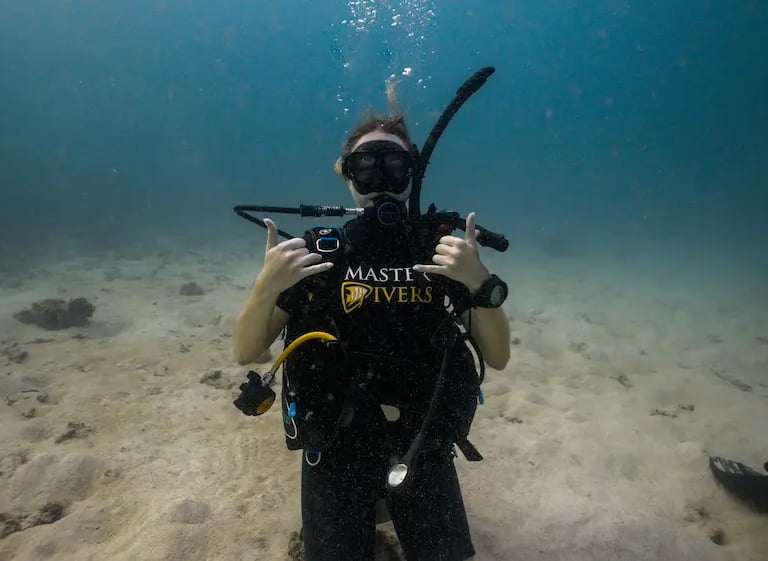
"Since 1992, Master Divers has been a premier choice for scuba diving in Koh Tao. We combine decades of global experience with a fierce commitment to safety, personalized service, and marine conservation. Whether you are taking your first breath underwater or advancing to Divemaster, our expert team is here to guide you."
Why Choose Our Dive Center?
Expert Instruction: Certified PADI professionals with years of global experience.
Transformative Learning: Tailored instruction that builds real confidence, not just a certification card.
Eco-Conscious Diving: Active contributors to local reef protection and marine ecosystem conservation.
All Skill Levels Welcome: From total beginners to professional Go Pro candidates.
Built on Experience. Driven by Passion.
THE MASTER DIVERS DIFFERENCE
Small Groups
We believe that the best learning experience comes from personal attention and focused guidance. That’s why we keep our diving course groups small. With fewer students per instructor, you'll receive more one-on-one support, allowing you to develop your skills confidently and at your own pace. Small groups also foster a more relaxed and enjoyable environment, where safety and individual progress are our top priorities. Whether you're a beginner or advancing your dive skills, we ensure a more personal and rewarding experience every step of the way.
Premium Equipment
We prioritize your comfort and safety by providing premium equipment for all our diving courses. We exclusively use Aqualung Core regulators and Pro HD BCDs, known for their reliability, durability, and superior performance. These high-quality gear pieces ensure a smooth and enjoyable diving experience, allowing you to focus on mastering your skills while feeling secure underwater. By offering top-tier equipment, we enhance your overall diving experience, ensuring you’re equipped with the best tools for your underwater adventures.
Conservation
Conservation is at the heart of everything we do. We believe that protecting the marine environment is not only our responsibility but also essential to preserving the beauty of the underwater world for future generations. That's why we incorporate marine conservation into our diving courses and offer dedicated conservation dives. By promoting eco-friendly practices and raising awareness about ocean preservation, we empower our divers to become stewards of the sea. Join us in our commitment to protecting the reefs and marine life that make each dive so special.
Personalized Service
We take pride in offering personalized service to ensure every diver feels valued and supported. From the moment you contact us, we tailor your experience to meet your individual needs and preferences. Whether it's customizing your training schedule, helping you select the perfect dive package, or providing one-on-one instruction, we go the extra mile to create a unique and memorable experience for each guest. Our dedicated team is here to make sure you get the attention and care you deserve, both in and out of the water.





Premier choice for scuba diving excursions
At Master Divers, we’re passionate about inspiring and empowering divers at every stage of their journey. We believe that diving is more than just a skill—it's a transformative experience that builds confidence, fosters a deep connection to the ocean, and opens up a world of possibilities. Our goal is to guide and support you as you develop your abilities, push your limits, and discover new depths. Whether you're taking your first breaths underwater or advancing your qualifications, we’re here to help you unlock your full potential and create lasting memories beneath the surface.
Inspire and empower divers:
Protecting marine ecosystems:
Protecting marine ecosystems is a core part of our mission. We believe that as divers, we have a unique opportunity and responsibility to preserve the underwater world we explore. Through our eco-conscious practices and conservation-focused initiatives, we strive to minimize our impact and actively contribute to the protection of fragile marine environments. By educating our divers on sustainable diving techniques and the importance of ocean conservation, we empower you to play a vital role in safeguarding the ecosystems that make each dive so extraordinary. Together, we can protect the oceans for future generations.